TechGrid GF - Glass Fiber Asphalt Reinforcement Geogrid

TechGrid GF

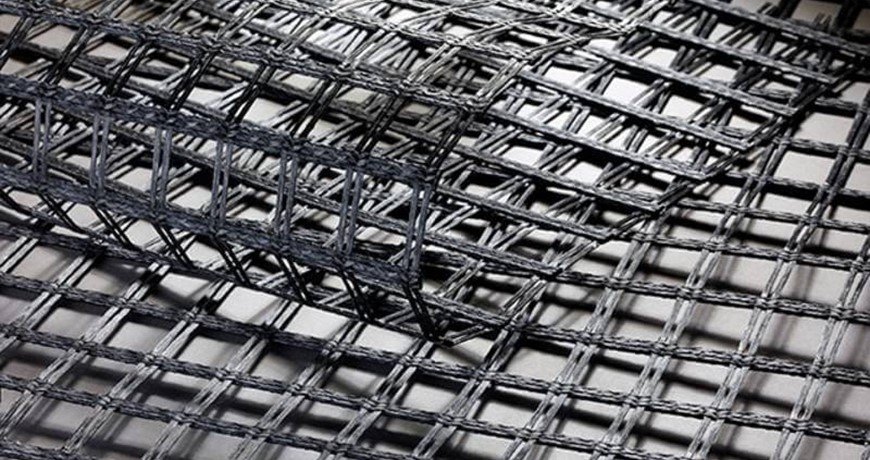
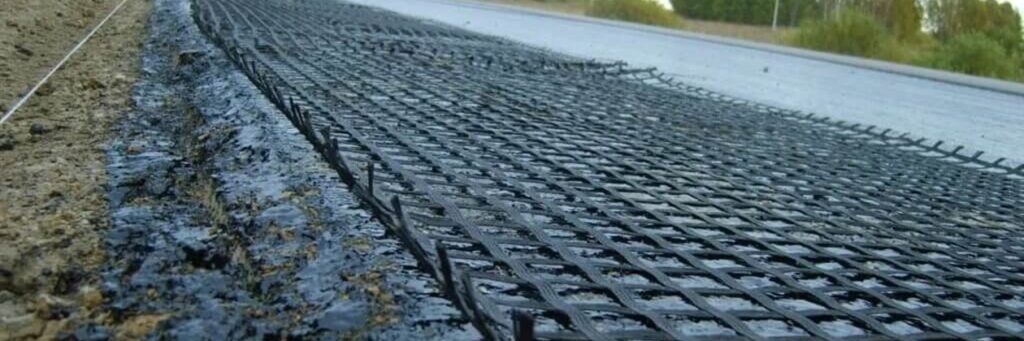
TechGrid© GF is a high performance reinforcement geogrid woven from high strength glass fiber strands and coated with bitumen, designed to be installed within asphalt pavements.

TechGrid© GF reinforces tensile strength, which is the weak point of asphalt. Because glass fiber has a far higher modulus of elasticity than asphalt binder, it absorbs the stresses caused by traffic loads and temperature changes at low elongation levels and prevents them from concentrating at a single point. The bitumen coating on the surface ensures full adhesion with the asphalt layer. As a result, crack formation is delayed and the pavement serves longer before maintenance is required.

TechGrid GF Functions

TechGrid© GF works exactly where asphalt pavement is weakest. Asphalt has high compressive strength but low tensile strength, which is why cracks begin in areas where tensile stress concentrates. The high modulus of elasticity of glass fiber carries these stresses at low elongation levels, while the bitumen coating provides full adhesion with the asphalt layer. Thanks to this structure, the product delivers four essential functions in a single layer.

Reflective Crack Reduction

Cracks in an old pavement travel upward into the new asphalt layer placed over it, forming reflective cracks. TechGrid© GF distributes the stress concentrated at the crack tip along its own plane and extends the time it takes for the crack to reach the upper layer.
Protection

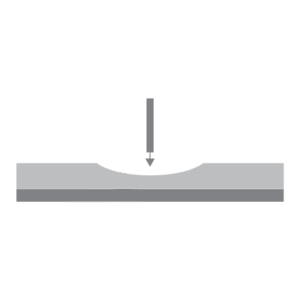
Cracks that form on the pavement surface allow rainwater to reach the base and subbase layers, reducing bearing capacity and accelerating deterioration. By delaying crack formation, TechGrid© GF also delays water infiltration into the lower layers and protects the load bearing system of the pavement.

Differential Settlement Crack Control

Uneven settlement of the subgrade causes bending in the pavement and cracks associated with it. TechGrid© GF spreads the tensile stress arising in the settlement area over a wide surface and limits the opening of the crack.

Longer Service Life

Delaying crack formation and keeping the width of any cracks limited extends the period during which the pavement serves without requiring maintenance. Wider repair intervals reduce the total maintenance cost over the service life of the road.
High Modulus Fiber Structure That Distributes Stress Over a Wide Area

TechGrid© GF is produced by weaving glass fiber bundles that intersect perpendicularly, and this structure provides high tensile strength in both directions. Because the modulus of elasticity of glass fiber is far higher than that of asphalt binder, stress is carried by the geogrid before the asphalt begins to deform. Stress that concentrates at a single point at the crack tip spreads along the plane of the geogrid and disperses over a wide area instead of accumulating along one line. This behaviour slows the rate at which the crack opens and extends the fatigue life of the pavement.

TechGrid GF Features

Frequently Asked Questions

1. What Is TechGrid GF?

TechGrid© GF is an asphalt reinforcement geogrid woven from high strength glass fiber strands and coated with bitumen. Placed between asphalt layers, it gives the pavement tensile strength and delays crack formation.

2. How Does TechGrid GF Delay Crack Formation?

Asphalt has high compressive strength but low tensile strength, and cracks begin in areas where tensile stress concentrates. Because glass fiber has a far higher modulus of elasticity, it absorbs these stresses at low elongation levels and prevents them from accumulating at a single point.

3. What Is a Reflective Crack and How Does TechGrid GF Prevent It?

A reflective crack forms when existing cracks in an old pavement travel upward into the new asphalt layer placed over it. TechGrid© GF distributes the stress concentrated at the crack tip along its own plane and extends the time it takes for the crack to reach the upper layer.

4. What Is the Purpose of the Bitumen Coating?

The bitumen coating ensures that the geogrid establishes full adhesion with the asphalt layer it is placed in. As a result, no slippage or separation occurs between layers under load, and the geogrid and asphalt behave as a single structure working together.

5. Where Is TechGrid GF Used?

It is used in asphalt pavement rehabilitation and reinforcement overlay applications, wearing courses placed over cracked pavements, asphalt applications over concrete pavements and road widening joint zones. It is also preferred in airport runway, taxiway and apron pavements.

6. Can TechGrid GF Be Used in Different Climate Conditions?

Because glass fiber is a material unaffected by temperature changes, it does not soften in summer or become brittle in winter. This allows it to maintain its performance in regions with large temperature differences and freeze thaw cycles.

Data sheet

TechGrid GF

The file will be sent to your email address.
This is a staging environment