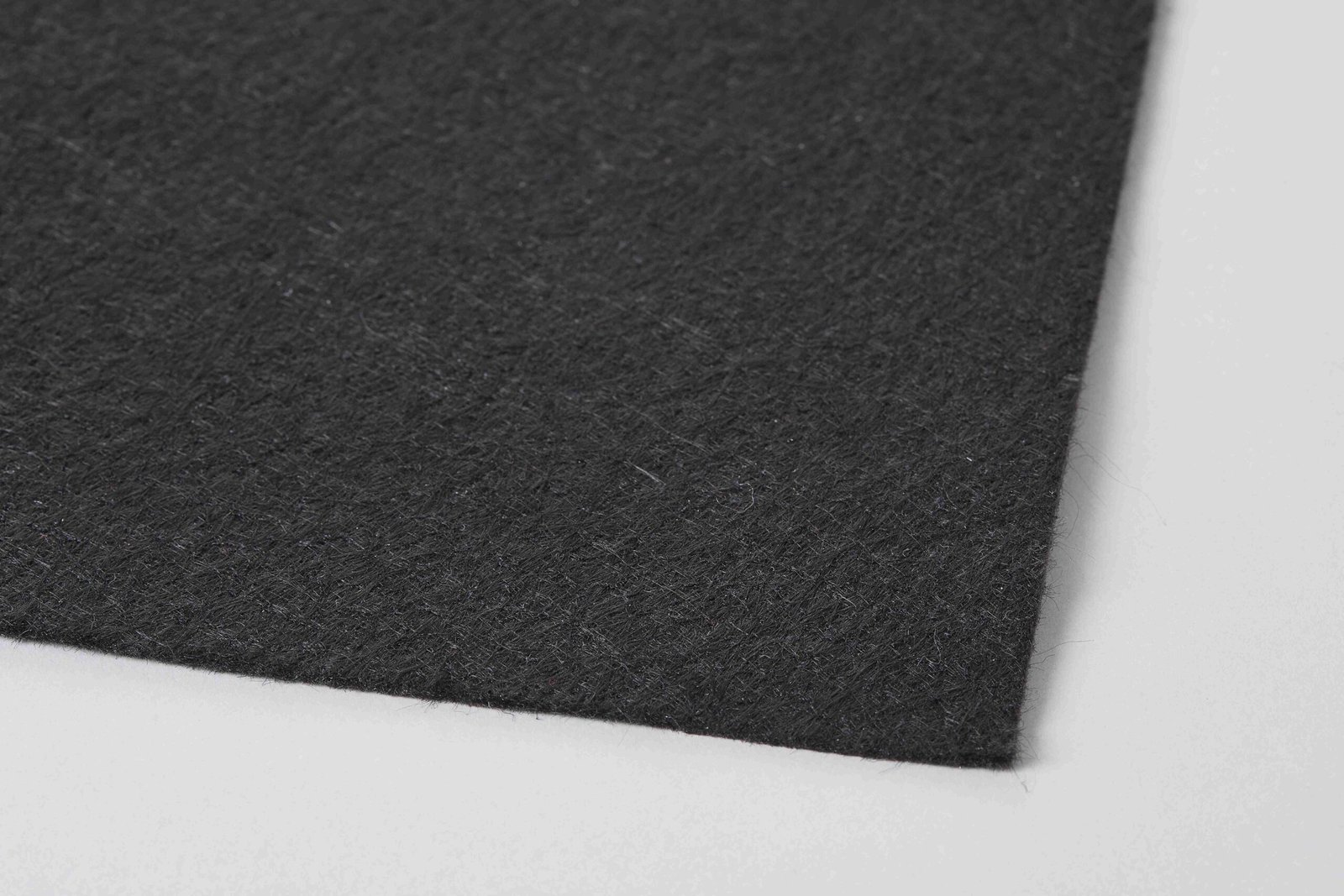

Geotex BC – Polypropylene Non-woven Geotextile

Geotex BC
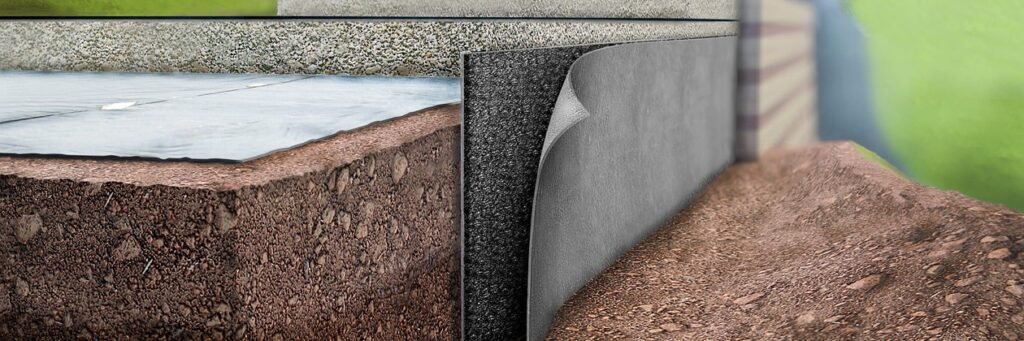
Geotex BC is a black, non-woven geotextile manufactured by needle-punching and heat-treating high-strength, 100% pure polypropylene fibers. Thanks to its durable structure, it helps protect geomembranes against mechanical impact while forming a reliable separation layer between different soil and fill layers.
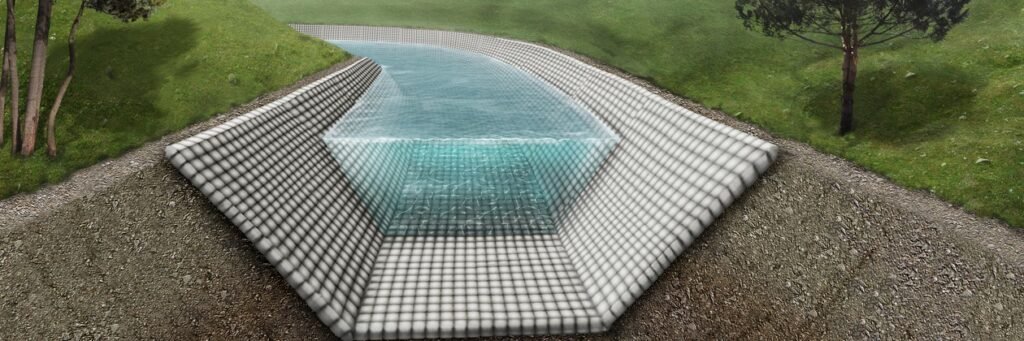
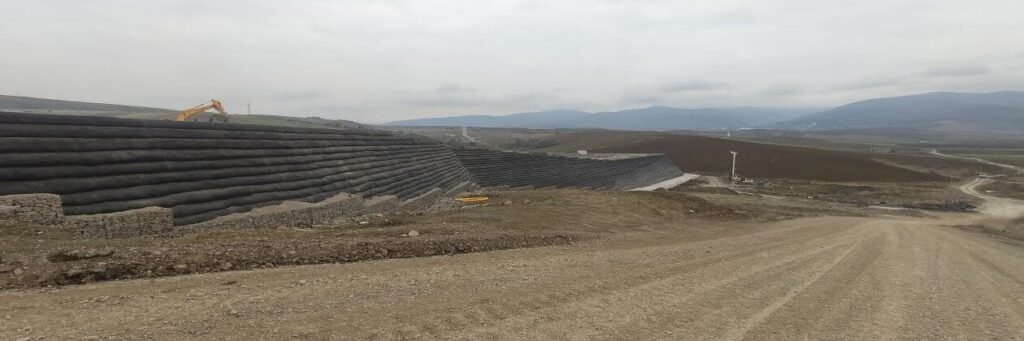
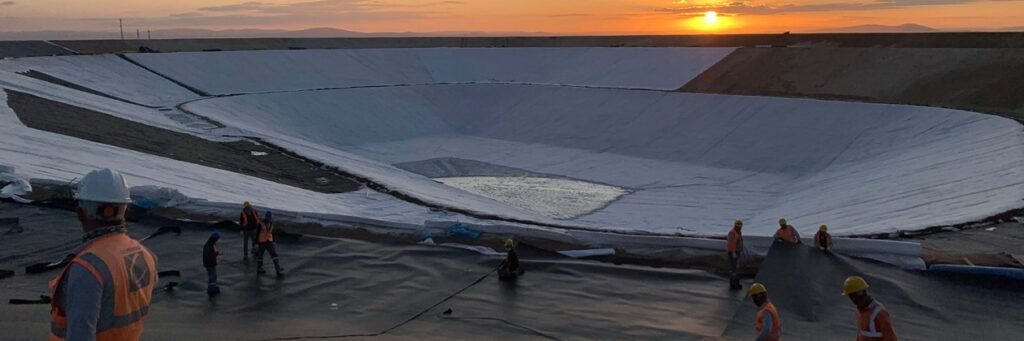
The needle-punched fiber structure supports filtration and drainage performance by allowing controlled water flow while restricting the migration of fine soil particles. It can be used for protection, separation, and drainage purposes in landfill sites, mine tailings areas, stream rehabilitation, and flood protection projects.
Geotex BC, which can be manufactured with varying technical specifications to meet project requirements, adapts to diverse terrain and climatic conditions. When used as a filter layer around drainage gravel in highway drainage systems, it helps maintain the system's functionality and long-term performance.
Geotex BC – Functions of Polypropylene Non-woven Geotextile
Geotex BC forms a protective layer against mechanical impact when used over geomembranes in landfills and mining waste sites. In stream rehabilitation and flood protection projects, it supports separation and drainage functions beneath lining materials. In highway drainage systems, it wraps around drainage gravel, allowing water flow while filtering out fine soil particles, thereby contributing to the system's long-term performance.
Drainage
Thanks to its non-woven fiber structure, it supports the long-term performance of drainage systems by facilitating the controlled removal of water from within the structure.
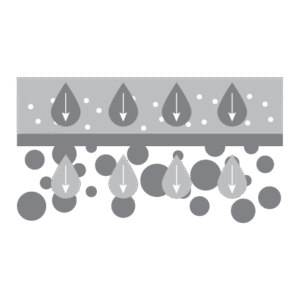
Filtration
It helps prevent clogging of the drainage layer by restricting the transport of fine soil particles while allowing water to pass through.

Reinforcement
By forming a protective layer over the geomembranes, it enhances resistance against puncture, tearing, and other mechanical impacts.

Separation
It contributes to preserving the integrity of the application layers by limiting the intermixing of different soil, fill, and surfacing layers.
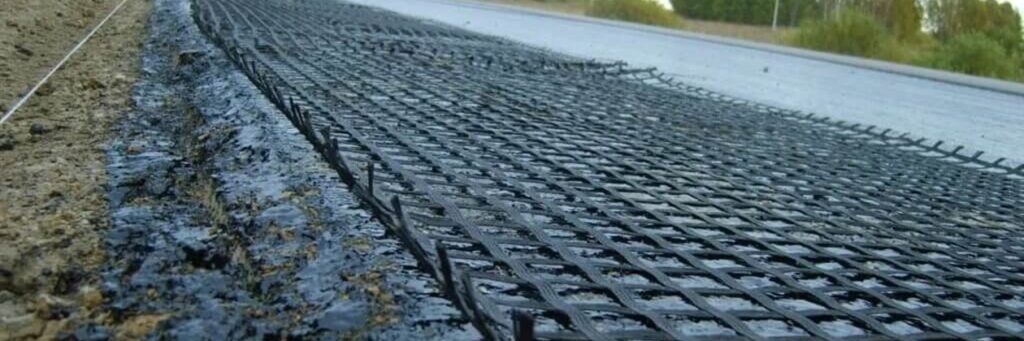
High Performance at Low Cost
Geotex BC is a polypropylene non-woven geotextile that offers high tensile and puncture strength despite its low unit weight. It contributes to the long-term performance of various soil and fill layers by supporting protection, filtration, drainage, and separation functions. With proper design and application, it helps reduce construction and maintenance costs.
Geotex BC Specifications
- Thanks to its high elongation capacity, it adapts to various application conditions.
- It delivers effective filtration performance under dynamic conditions.
- It protects geomembranes against mechanical effects under high pressure.
- It facilitates the controlled flow of water in drainage systems.
- It provides separation between different soil and fill layers.
Frequently Asked Questions
What is Geotex BC?
Geotex BC is a non-woven geotextile made from polypropylene fibers. It is used in geotechnical applications requiring protection, filtration, drainage, and separation.
In which areas is Geotex BC used?
It can be used in waste disposal sites, mining areas, highway drainage lines, stream improvement, flood protection, and geomembrane protection applications.
How do Geotex BC geomembranes provide protection?
It helps reduce the risk of puncture, tearing, and mechanical damage by forming a protective layer between the geomembrane and the soil or fill material.
How does Geotex BC perform the filtration function?
It allows the controlled passage of water while restricting the transport of fine soil particles. In this way, it helps prevent the drainage layer from clogging.
Can Geotex BC be used for separation purposes?
Yes. It helps preserve the integrity of the construction layers by limiting the intermixing of different soil, fill, and surfacing layers.
What should be considered when selecting Geotex BC?
The product's unit weight, thickness, tensile and puncture strength, water permeability, and project conditions must be evaluated. The appropriate product type should be determined based on technical specifications and project calculations.